Industrial

Warehouse Construction in Pearland, TX

General Contractors of Pearland manages warehouse construction for industrial owners, developers, and logistics operators who need shell delivery, dock sequencing, yard paving, and phased turnover coordinated from a single contractor. The Pearland warehouse market is shaped by the Beltway 8 SE and Hwy 35 corridors, which provide access to the Port of Houston, Bush Intercontinental, and the broader South Texas freight network without the land cost and congestion of inner-loop industrial parks. That access makes Pearland practical for logistics support operations, regional distribution users, and manufacturing-adjacent storage, and the projects we manage reflect that demand range. What sets Pearland warehouse projects apart from similar programs in other submarkets is the combination of expansive clay subgrade, drainage district compliance, and the flood exposure that Harvey, Tax Day 2016, Imelda, and Beryl have made visible to every underwriter and owner in the market. Dock aprons, truck courts, and yard paving on Beaumont clay will fail without proper subgrade preparation and geotechnical-specific pavement design. Detention and drainage systems have to be designed and built to Brazoria Drainage District or HCFCD standards depending on which side of the county line the parcel sits. We bring those requirements into the project during preconstruction rather than discovering the gaps after the slab and pavement are already placed. The result is a warehouse that performs under actual operational load — trucks, heavy equipment, and daily volume use — rather than just looking right at the time of turnover. We coordinate dock heights, trailer court dimensions, slab design, and utility rough-in against the owner's operating requirements and phased occupancy goals so the project turns over in a condition that is actually ready to run.

Market Context

How warehouse construction gets delivered around Pearland and South Houston.
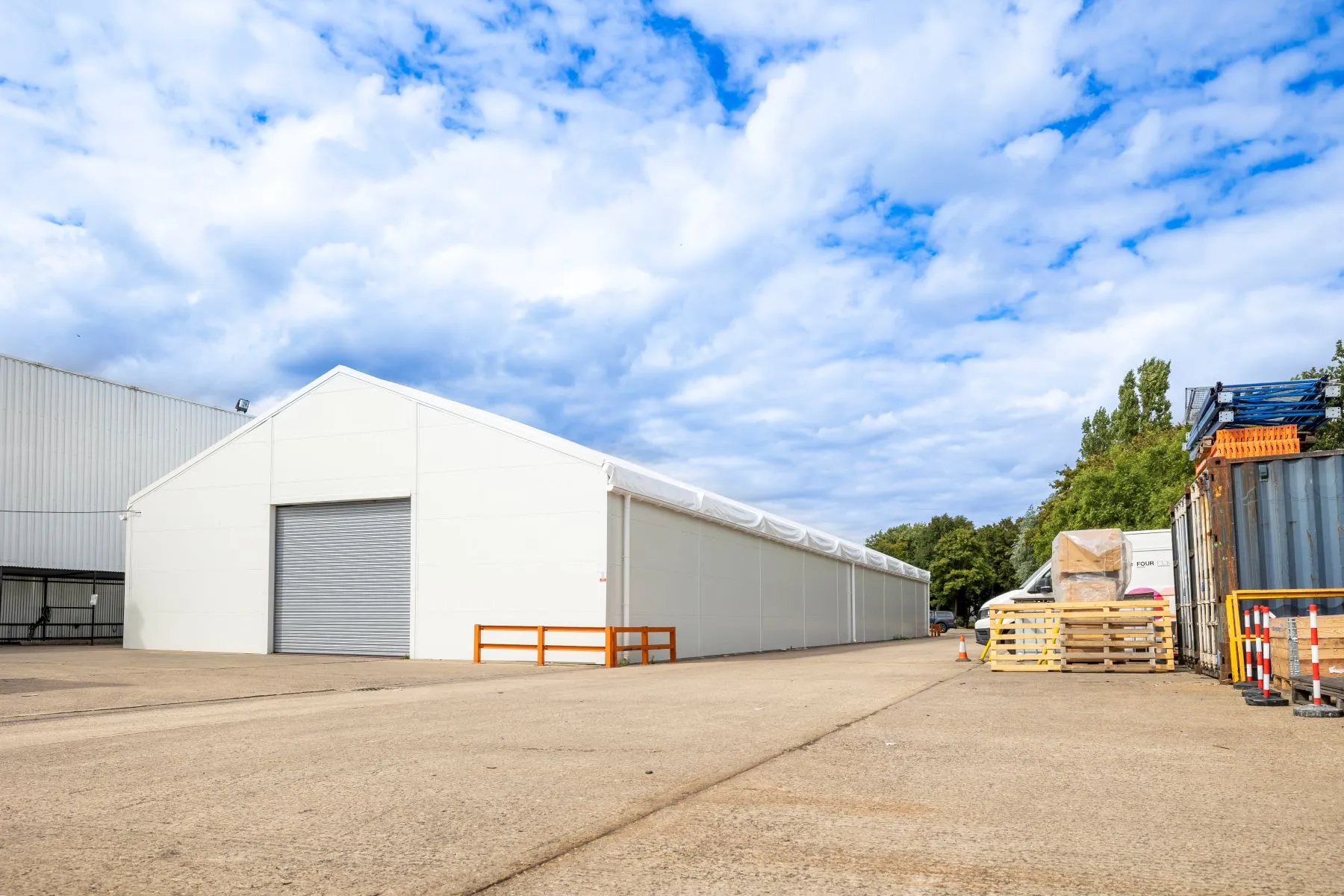
Warehouse Construction project scope

Warehouse construction with coordinated yard planning, dock sequencing, and shell delivery for high-throughput operations in the Pearland, Hwy 35, and Beltway 8 SE logistics corridor.

Warehouse Construction in Pearland and the broader South Houston corridor typically depends on the same core variables: municipal review pacing, utility readiness, pavement and drainage sequencing, and how early the owner defines occupancy priorities. When those issues are held together in preconstruction, field production is less likely to drift into reactive decision-making once the schedule tightens.

That coordination matters because projects around Pearland frequently sit between suburban growth corridors, port-linked logistics routes, medical-office demand, and owner-user industrial expansion. Warehouse Construction has to work for the actual use case, not just for the abstract plan set, which is why site access, shell milestones, and turnover logic are reviewed together.

The practical value for ownership is better control. Instead of treating permitting, civil work, building delivery, and handoff as separate conversations, General Contractors of Pearland keeps them aligned around one build path so the project can move from planning into execution with fewer surprises and less wasted field time.


Best Fit

Applications and owner priorities.

Where this service is most useful

  • Warehouse Construction packages for developers and owner-users who need scope, schedule, and turnover aligned from preconstruction forward.
  • Occupied-site or phased programs where warehouse construction has to stay coordinated with access, utility, and handoff milestones.
  • Operations-driven facilities where one contractor needs to hold site work, shell progress, and closeout logic together.

What owners watch closely

  • Durable site and shell sequencing that supports heavy use from the first operating day.
  • Utility planning that lines up with process equipment, dock activity, and future expansion.
  • Yard, paving, and circulation decisions that work for trucks and daily operations, not just final photos.
  • Turnover pacing that supports commissioning, phased occupancy, and startup readiness.

Execution

Scope coordination and field sequencing.

Scope we coordinate

  • Pad, utility, and circulation planning for warehouse sites along the Beltway 8 SE and Hwy 35 corridors with Beaumont clay subgrade addressed in geotechnical coordination
  • Dock, trailer court, and building shell package coordination with pavement design appropriate for heavy truck and forklift loads
  • Detention and drainage planning compliant with Brazoria Drainage District or Harris County Flood Control District requirements based on parcel location
  • Support office and operations-area fit-out scheduling tied to dock commissioning and phased occupancy targets
  • Punch and turnover controls tied to occupancy readiness and owner startup milestones

How the work is sequenced

  • Map operating goals into the site and shell schedule, with dock configuration, trailer court dimensions, and utility needs defined before slab design is locked
  • Coordinate long-lead materials — pre-engineered steel, dock equipment, mechanical — around erection and enclosure milestones
  • Track field progress against logistics and inspection checkpoints with active owner reporting through erection and enclosure phases
  • Release zones in phases for owner turnover and startup planning, with punch and documentation completed before each phase handoff

Service Areas

Nearby markets where this scope regularly shows up.

FAQs

Common questions about warehouse construction.

What does a general contractor manage on a warehouse construction project?

General Contractors of Pearland coordinates the full project workflow for warehouse construction, including preconstruction reviews, schedule logic, trade sequencing, field supervision, quality checkpoints, and turnover planning. In Pearland and the broader South Houston corridor, that also means accounting for utility timing, drainage, access, and owner occupancy priorities before field production accelerates.

When should warehouse construction planning start?

Planning works best before the field team mobilizes. Early reviews let the team align site readiness, procurement timing, inspection sequencing, and handoff milestones while the owner still has room to make useful decisions. That is where schedule discipline is built instead of recovered.

Can warehouse construction be phased around active operations?

Yes. Many commercial and industrial projects in the Pearland and South Houston market need phased turnover because the owner is expanding in place, opening bays in sequence, or protecting access for daily operations. The key is to define release boundaries and turnover expectations before construction is forced to work around them in the field.

What usually drives the schedule on this type of work?

The schedule usually turns on site readiness, municipal review, long-lead procurement, and how cleanly the civil, shell, and interior scopes are sequenced. On more operations-driven projects, yard paving, equipment interfaces, and utility availability can also become critical-path items.

How do you handle closeout for warehouse construction?

Closeout is treated as part of delivery, not as a separate scramble at the end. Punch items, documentation, turnover walks, and final access coordination are built into milestone planning so ownership can step into occupancy, startup, or leasing activity with fewer unresolved field issues.

Need Warehouse Construction for a current Pearland or South Houston project?

Talk With Our Team
Request Project Review