Industrial

Industrial Construction in Pearland, TX

General Contractors of Pearland manages industrial construction for developers, owner-users, and operators who need one team coordinating site development, structural delivery, utility systems, and phased turnover across the South Houston and Brazoria County market. Industrial projects in this corridor carry conditions that general contractors unfamiliar with the region routinely underestimate. Beaumont clay subgrade that heaves seasonally requires geotechnical-specific slab and foundation designs — what works in a Houston Industrial Park with better-draining soils will fail here. Drainage on industrial sites has to be coordinated against Brazoria Drainage District authority in most of Pearland and HCFCD jurisdiction in the northern Pearland fringe, with different detention calculation standards on each side of the county line. Harvey in 2017 and Beryl in 2024 both brought documented flooding to industrial corridors near Hwy 35 and Beltway 8 SE, making civil and drainage design a real underwriting concern rather than a formality. We address those conditions in preconstruction so field production can move with confidence rather than spending schedule capital on rework. Pearland's position along the Beltway 8 SE and Hwy 35 corridors makes it a practical industrial location for South Houston operators who need proximity to the port, the Texas Medical Center, and the broader logistics network without competing for land inside Loop 610. We coordinate projects for distribution support, manufacturing, warehouse-heavy operators, and flex-industrial users who need a contractor that understands how the site, shell, utility, and logistics requirements connect to daily operations from the first day of occupancy.

Market Context

How industrial construction gets delivered around Pearland and South Houston.
Industrial Construction project scope

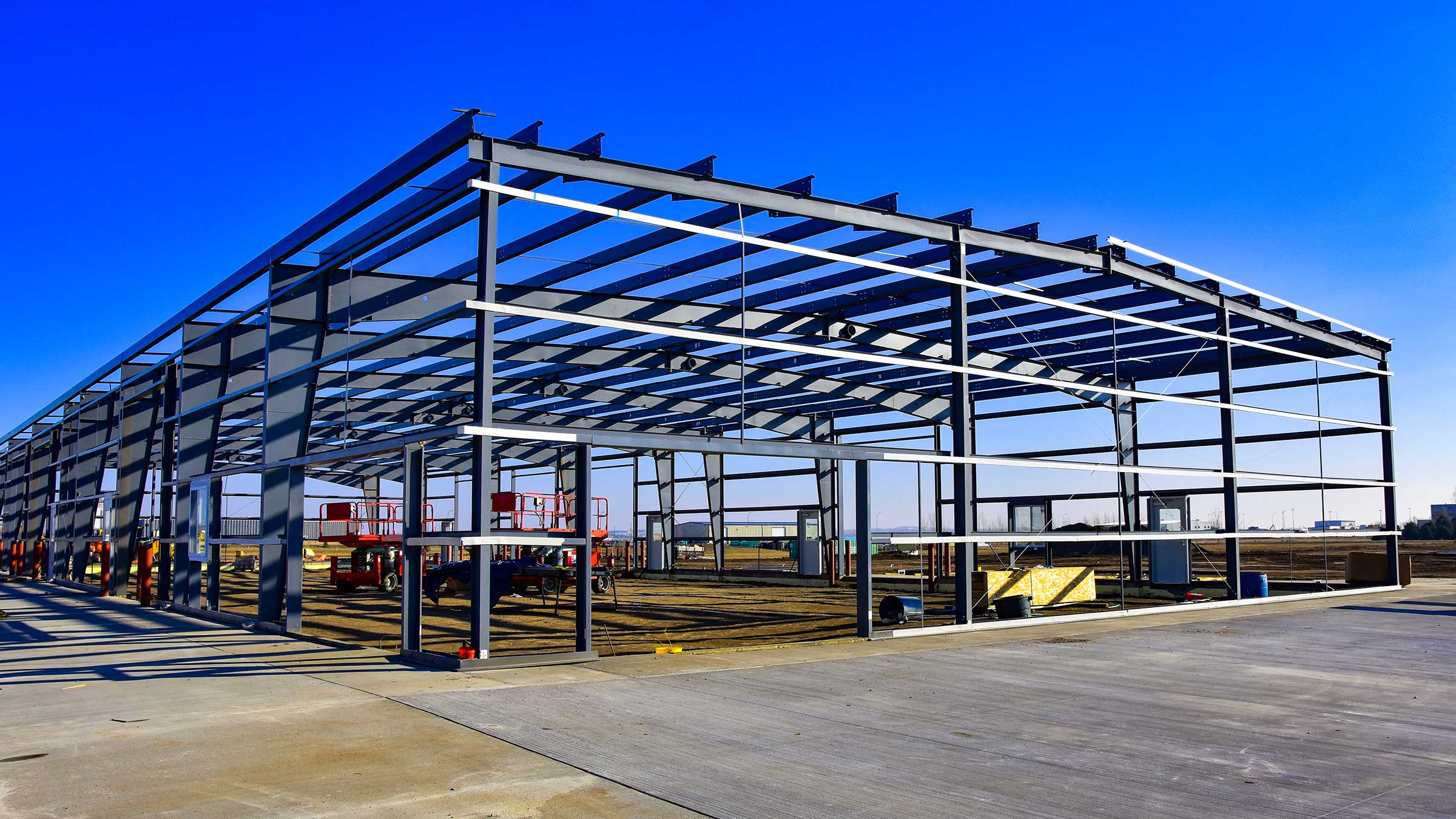
Industrial facility construction for utility-heavy, logistics-driven, and operations-sensitive projects in the Pearland and South Houston corridor — with site-specific sequencing built around drainage districts, expansive subgrade, and Beltway 8 SE access realities.

Industrial Construction in Pearland and the broader South Houston corridor typically depends on the same core variables: municipal review pacing, utility readiness, pavement and drainage sequencing, and how early the owner defines occupancy priorities. When those issues are held together in preconstruction, field production is less likely to drift into reactive decision-making once the schedule tightens.

That coordination matters because projects around Pearland frequently sit between suburban growth corridors, port-linked logistics routes, medical-office demand, and owner-user industrial expansion. Industrial Construction has to work for the actual use case, not just for the abstract plan set, which is why site access, shell milestones, and turnover logic are reviewed together.

The practical value for ownership is better control. Instead of treating permitting, civil work, building delivery, and handoff as separate conversations, General Contractors of Pearland keeps them aligned around one build path so the project can move from planning into execution with fewer surprises and less wasted field time.
Best Fit

Applications and owner priorities.

Where this service is most useful

  • Industrial Construction packages for developers and owner-users who need scope, schedule, and turnover aligned from preconstruction forward.
  • Occupied-site or phased programs where industrial construction has to stay coordinated with access, utility, and handoff milestones.
  • Operations-driven facilities where one contractor needs to hold site work, shell progress, and closeout logic together.

What owners watch closely

  • Durable site and shell sequencing that supports heavy use from the first operating day.
  • Utility planning that lines up with process equipment, dock activity, and future expansion.
  • Yard, paving, and circulation decisions that work for trucks and daily operations, not just final photos.
  • Turnover pacing that supports commissioning, phased occupancy, and startup readiness.

Execution

Scope coordination and field sequencing.

Scope we coordinate

  • Facility shell coordination for production, storage, and logistics environments with foundation and slab design appropriate for Beaumont clay conditions
  • Utility corridor planning for power, water, and process needs coordinated against Brazoria County and Harris County infrastructure requirements
  • Equipment area, yard, and service access construction sequencing along Hwy 35 and Beltway 8 SE industrial corridors
  • Drainage and detention planning compliant with Brazoria Drainage District or HCFCD depending on parcel jurisdiction
  • Phased turnover support for commissioning and operations teams with documented punch and closeout milestones

How the work is sequenced

  • Translate operational requirements into buildable field packages that reflect actual geotechnical and drainage conditions in the Pearland market
  • Coordinate civil, structural, and systems work around critical path tasks, with drainage and utility timing driving the pad-release schedule
  • Track interface points between trades, vendors, and ownership teams with active schedule reporting through field production
  • Deliver phased closeout for startup readiness and occupancy transitions with documentation aligned to inspection and commissioning requirements

Service Areas

Nearby markets where this scope regularly shows up.

FAQs

Common questions about industrial construction.

What does a general contractor manage on a industrial construction project?

General Contractors of Pearland coordinates the full project workflow for industrial construction, including preconstruction reviews, schedule logic, trade sequencing, field supervision, quality checkpoints, and turnover planning. In Pearland and the broader South Houston corridor, that also means accounting for utility timing, drainage, access, and owner occupancy priorities before field production accelerates.

When should industrial construction planning start?

Planning works best before the field team mobilizes. Early reviews let the team align site readiness, procurement timing, inspection sequencing, and handoff milestones while the owner still has room to make useful decisions. That is where schedule discipline is built instead of recovered.

Can industrial construction be phased around active operations?

Yes. Many commercial and industrial projects in the Pearland and South Houston market need phased turnover because the owner is expanding in place, opening bays in sequence, or protecting access for daily operations. The key is to define release boundaries and turnover expectations before construction is forced to work around them in the field.

What usually drives the schedule on this type of work?

The schedule usually turns on site readiness, municipal review, long-lead procurement, and how cleanly the civil, shell, and interior scopes are sequenced. On more operations-driven projects, yard paving, equipment interfaces, and utility availability can also become critical-path items.

How do you handle closeout for industrial construction?

Closeout is treated as part of delivery, not as a separate scramble at the end. Punch items, documentation, turnover walks, and final access coordination are built into milestone planning so ownership can step into occupancy, startup, or leasing activity with fewer unresolved field issues.

Need Industrial Construction for a current Pearland or South Houston project?

Talk With Our Team
Request Project Review