Site + Civil

Earthwork and Grading in Pearland, TX

General Contractors of Pearland manages earthwork and grading for commercial and industrial projects that need dependable subgrade, reliable drainage performance, and building pad readiness in the Pearland and Brazoria County market. Earthwork in this market is inseparable from the flood and drainage history that has shaped Pearland's development since the Tax Day Flood in 2016, Harvey in 2017, Imelda in 2019, and Beryl in 2024. Those events demonstrated repeatedly that sites with inadequate grading, poorly designed drainage, and insufficient detention do not just have construction problems — they have long-term operational problems that affect property values, insurance underwriting, and tenant retention. The starting point for earthwork in Pearland is understanding which drainage district governs the parcel. Brazoria Drainage District manages most of the developed Pearland area and has specific requirements for detention volume, outfall design, and grading documentation. HCFCD governs northern Pearland parcels and operates under different standards. Designing and grading to the wrong agency's requirements creates permit holds and post-construction corrections. We establish drainage district jurisdiction in the earliest planning conversation and coordinate grading against the civil engineer's detention and outfall design before earthwork begins. Beaumont clay subgrade is the other defining condition. Mass grading on clay-rich soils requires moisture management, compaction testing at appropriate intervals, and haul strategy that accounts for the weight and plasticity of the material being moved. Cut-fill balancing on Beaumont clay sites has to account for swell and shrink factors that differ significantly from the sandy or loamy soils common in other parts of the Houston metro. Subgrade that looks flat and compacted at the time of inspection can heave or settle significantly after seasonal moisture cycling begins. We address those characteristics by working from the geotechnical report throughout earthwork rather than applying generic specifications that do not reflect local soil behavior.

Market Context

How earthwork and grading gets delivered around Pearland and South Houston.
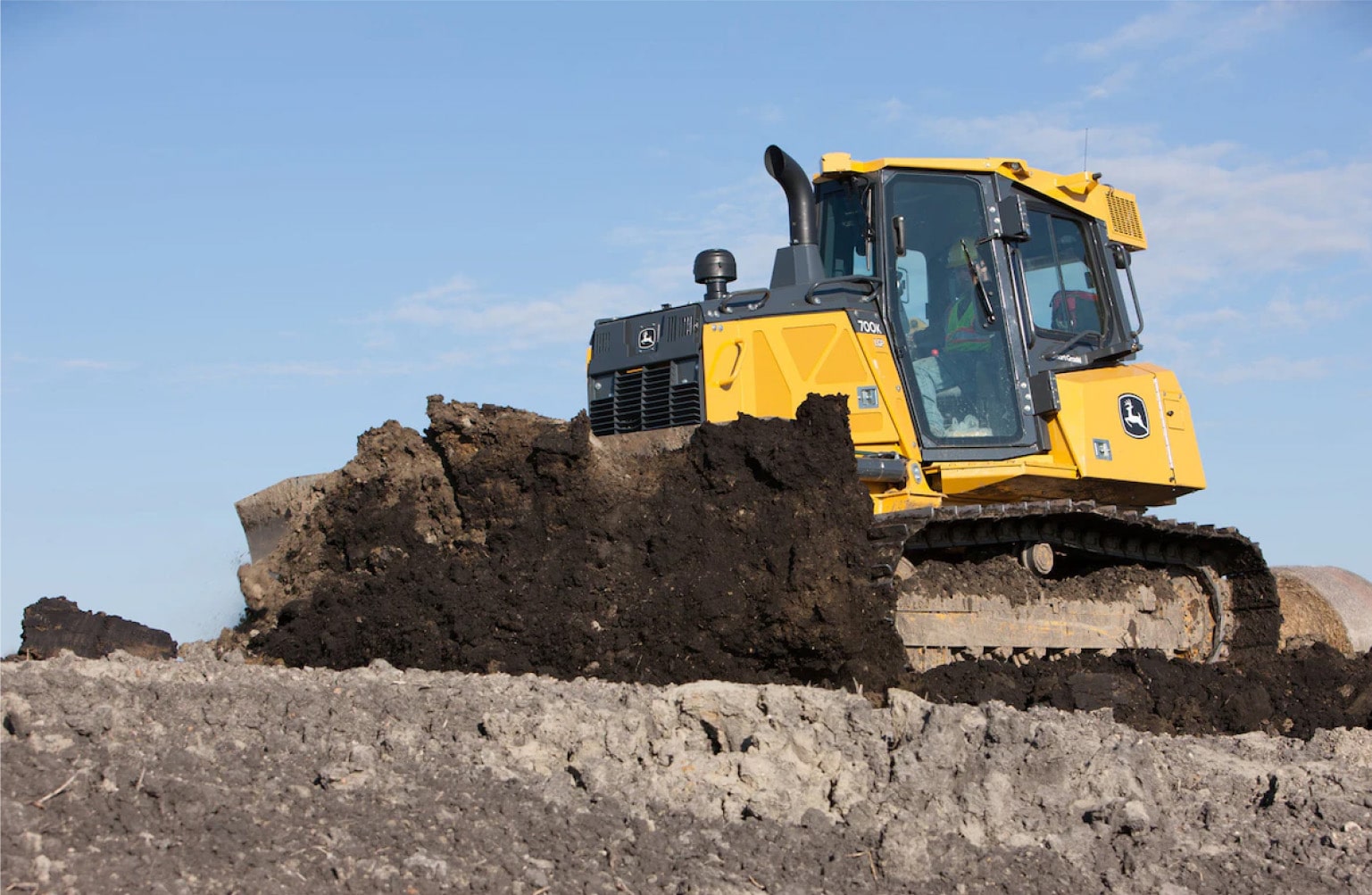
Earthwork and Grading project scope

Earthwork and grading coordination for commercial and industrial sites in Pearland and Brazoria County — with cut-fill planning, Beaumont clay subgrade management, and drainage strategy built around South Houston's flood exposure history and drainage district compliance requirements.

Earthwork and Grading in Pearland and the broader South Houston corridor typically depends on the same core variables: municipal review pacing, utility readiness, pavement and drainage sequencing, and how early the owner defines occupancy priorities. When those issues are held together in preconstruction, field production is less likely to drift into reactive decision-making once the schedule tightens.

That coordination matters because projects around Pearland frequently sit between suburban growth corridors, port-linked logistics routes, medical-office demand, and owner-user industrial expansion. Earthwork and Grading has to work for the actual use case, not just for the abstract plan set, which is why site access, shell milestones, and turnover logic are reviewed together.

The practical value for ownership is better control. Instead of treating permitting, civil work, building delivery, and handoff as separate conversations, General Contractors of Pearland keeps them aligned around one build path so the project can move from planning into execution with fewer surprises and less wasted field time.


Best Fit

Applications and owner priorities.

Where this service is most useful

  • Earthwork and Grading packages for developers and owner-users who need scope, schedule, and turnover aligned from preconstruction forward.
  • Occupied-site or phased programs where earthwork and grading has to stay coordinated with access, utility, and handoff milestones.
  • Commercial and industrial facilities where one contractor needs to hold site work, shell progress, and closeout logic together.

What owners watch closely

  • Site readiness milestones that release the rest of the job on time.
  • Drainage, grading, paving, and access work that perform as one coordinated package.
  • Inspection and utility timing that does not break the broader construction sequence.
  • Durable field decisions that hold up under long-term traffic and operational use.

Execution

Scope coordination and field sequencing.

Scope we coordinate

  • Mass grading and balanced cut-fill planning with Beaumont clay swell and shrink factors addressed in haul strategy and compaction specifications
  • Subgrade preparation for buildings, paving, and yards with moisture management and geotechnical checkpoints specific to Brazoria County clay conditions
  • Drainage shaping tied to Brazoria Drainage District or HCFCD civil design with detention grading and outfall work completed and inspected before pad-release
  • Release coordination for foundations and paving phases with compaction documentation and elevation certification confirming subgrade readiness

How the work is sequenced

  • Review geotechnical report, drainage district requirements, and grading intent before earthwork production starts — with clay-specific compaction and moisture requirements defined
  • Sequence pad work around underground utilities, drainage infrastructure, and access routes with active tracking against foundation and paving release milestones
  • Track compaction, elevation, and moisture-control checkpoints through each grading phase with inspection documentation that satisfies permit and engineering requirements
  • Turn over prepared areas for structural and paving scopes with certification confirming subgrade performance and drainage infrastructure completion

Service Areas

Nearby markets where this scope regularly shows up.

FAQs

Common questions about earthwork and grading.

What does a general contractor manage on a earthwork and grading project?

General Contractors of Pearland coordinates the full project workflow for earthwork and grading, including preconstruction reviews, schedule logic, trade sequencing, field supervision, quality checkpoints, and turnover planning. In Pearland and the broader South Houston corridor, that also means accounting for utility timing, drainage, access, and owner occupancy priorities before field production accelerates.

When should earthwork and grading planning start?

Planning works best before the field team mobilizes. Early reviews let the team align site readiness, procurement timing, inspection sequencing, and handoff milestones while the owner still has room to make useful decisions. That is where schedule discipline is built instead of recovered.

Can earthwork and grading be phased around active operations?

Yes. Many commercial and industrial projects in the Pearland and South Houston market need phased turnover because the owner is expanding in place, opening bays in sequence, or protecting access for daily operations. The key is to define release boundaries and turnover expectations before construction is forced to work around them in the field.

What usually drives the schedule on this type of work?

The schedule usually turns on site readiness, municipal review, long-lead procurement, and how cleanly the civil, shell, and interior scopes are sequenced. On more operations-driven projects, yard paving, equipment interfaces, and utility availability can also become critical-path items.

How do you handle closeout for earthwork and grading?

Closeout is treated as part of delivery, not as a separate scramble at the end. Punch items, documentation, turnover walks, and final access coordination are built into milestone planning so ownership can step into occupancy, startup, or leasing activity with fewer unresolved field issues.

Need Earthwork and Grading for a current Pearland or South Houston project?

Talk With Our Team
Request Project Review