Commercial

Adaptive Reuse Construction in Pearland, TX

General Contractors of Pearland manages adaptive reuse construction for building owners, investors, and developers who need existing buildings repositioned for a new use, a different occupancy profile, or a fundamentally different operational function in the Pearland and South Houston market. Adaptive reuse demand in Pearland is tied directly to the community's evolution. Old Pearland east — the Sherwood, Country Place, Westwood, and Westside neighborhoods — contains commercial buildings from the 1970s through the 1990s that were built for retail, light commercial, and service uses that no longer match the market. Some of those buildings are strong candidates for conversion to medical office, professional services, community health, or neighborhood support uses that the growing Pearland population needs but that the current building configurations do not deliver without significant reconfiguration. Similarly, older industrial and warehouse buildings near Hwy 35 and the eastern Pearland corridors are candidates for conversion to flex commercial, food hall, or creative-use programs that serve Pearland's increasingly diverse and younger demographic. Adaptive reuse construction differs from standard renovation in one critical respect: the building was designed for a different occupancy, and the conversion requires coordinating code compliance for the new use type across structural, fire life-safety, accessibility, and utility dimensions simultaneously. A former retail building converting to medical office needs HVAC zoning for patient care environments, accessible restroom configurations, and plumbing for medical-grade hand-washing stations — all of which require permit review under the new occupancy classification. A former warehouse converting to an event or food service use needs structural review for the changed floor load expectations, fire suppression updates, and possibly facade changes to support the new public-facing program. We manage those coordination requirements through preconstruction review that identifies the code impact of the conversion, defines the permit path, and establishes what existing components can be retained versus what must be replaced — so the owner has an accurate cost and schedule picture before demolition begins.

Market Context

How adaptive reuse construction gets delivered around Pearland and South Houston.
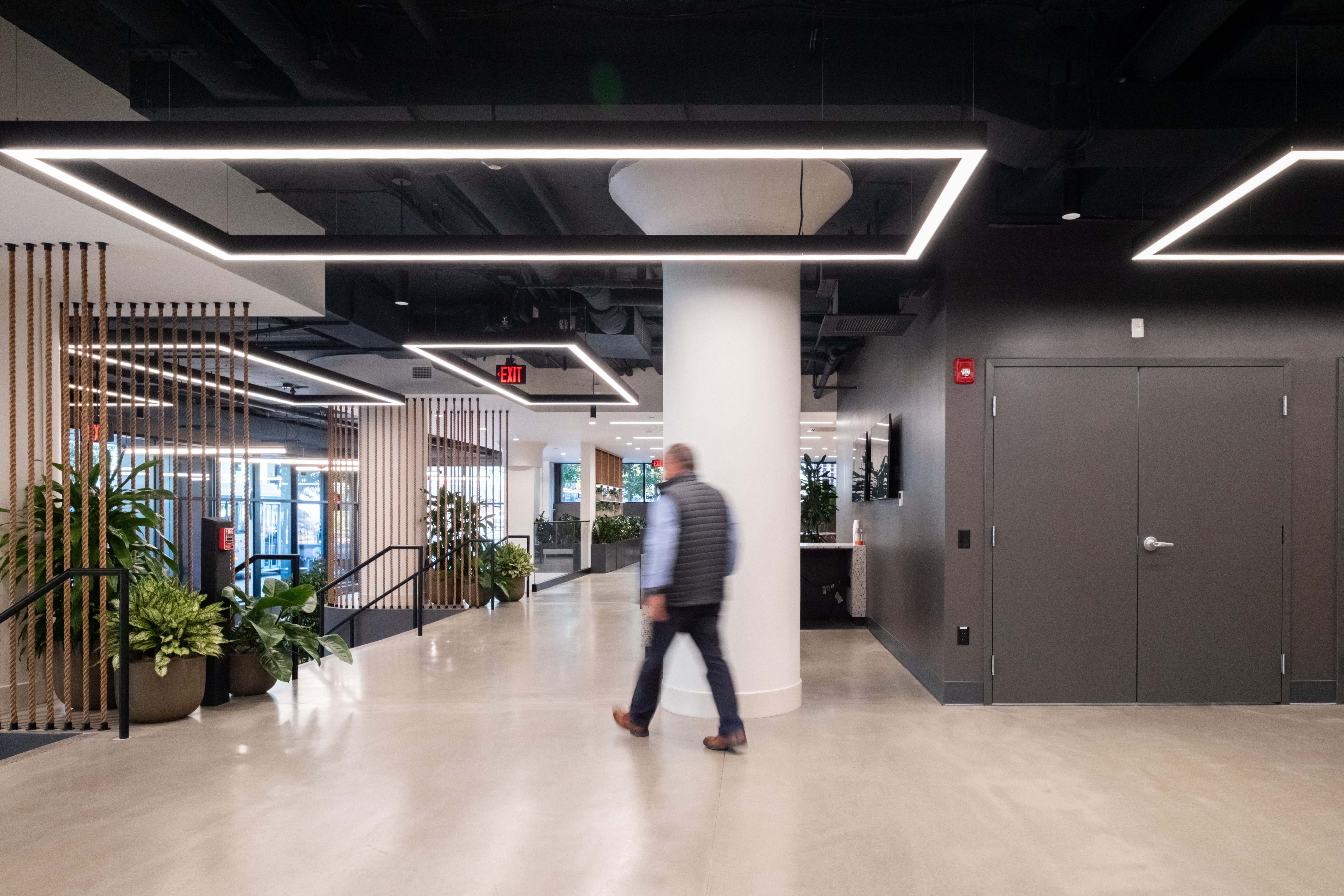
Adaptive Reuse Construction project scope

Adaptive reuse construction for buildings in Pearland changing use, occupancy profile, or operational function — with existing condition review, code impact analysis, and turnover planning built around Old Pearland east commercial stock and the Pearland market's evolving neighborhood needs.

Adaptive Reuse Construction in Pearland and the broader South Houston corridor typically depends on the same core variables: municipal review pacing, utility readiness, pavement and drainage sequencing, and how early the owner defines occupancy priorities. When those issues are held together in preconstruction, field production is less likely to drift into reactive decision-making once the schedule tightens.

That coordination matters because projects around Pearland frequently sit between suburban growth corridors, port-linked logistics routes, medical-office demand, and owner-user industrial expansion. Adaptive Reuse Construction has to work for the actual use case, not just for the abstract plan set, which is why site access, shell milestones, and turnover logic are reviewed together.

The practical value for ownership is better control. Instead of treating permitting, civil work, building delivery, and handoff as separate conversations, General Contractors of Pearland keeps them aligned around one build path so the project can move from planning into execution with fewer surprises and less wasted field time.
Best Fit

Applications and owner priorities.

Where this service is most useful

  • Adaptive Reuse Construction packages for developers and owner-users who need scope, schedule, and turnover aligned from preconstruction forward.
  • Occupied-site or phased programs where adaptive reuse construction has to stay coordinated with access, utility, and handoff milestones.
  • Commercial and industrial facilities where one contractor needs to hold site work, shell progress, and closeout logic together.

What owners watch closely

  • Tenant-ready turnover dates that stay connected to shell and parking completion.
  • Predictable sequencing for storefronts, utility tie-ins, and final inspection windows.
  • Procurement visibility that keeps long-lead finishes and owner decisions from drifting.
  • Field communication that protects active access routes and neighboring operations.

Execution

Scope coordination and field sequencing.

Scope we coordinate

  • Existing-condition review and reuse-oriented scope planning with code impact analysis for the change of occupancy or use type
  • Structural, utility, and access modifications for new occupancy including fire life-safety, accessibility, and MEP system changes required by the conversion
  • Selective demolition and reconfiguration sequencing that preserves reusable structure and building systems while eliminating components that cannot meet the new occupancy standard
  • Permit management for change-of-occupancy applications with inspection sequencing coordinated against the owner's repositioning and occupancy timeline
  • Closeout planning for modernized turnover needs with documentation organized for the new occupancy certificate, warranty, and long-term ownership requirements

How the work is sequenced

  • Evaluate the building and define reuse constraints and code impacts up front — with structural assessment, mechanical review, and change-of-occupancy analysis completed before scope commitment
  • Coordinate code, utility, and structural requirements into packages with permit path defined and inspection sequencing mapped before demolition begins
  • Manage phased execution to preserve schedule and budget control with existing condition surprises identified in preconstruction rather than during field work
  • Turn over the repositioned asset ready for the new use profile with occupancy certificate documentation, warranty, and maintenance information organized for the owner

Service Areas

Nearby markets where this scope regularly shows up.

FAQs

Common questions about adaptive reuse construction.

What does a general contractor manage on a adaptive reuse construction project?

General Contractors of Pearland coordinates the full project workflow for adaptive reuse construction, including preconstruction reviews, schedule logic, trade sequencing, field supervision, quality checkpoints, and turnover planning. In Pearland and the broader South Houston corridor, that also means accounting for utility timing, drainage, access, and owner occupancy priorities before field production accelerates.

When should adaptive reuse construction planning start?

Planning works best before the field team mobilizes. Early reviews let the team align site readiness, procurement timing, inspection sequencing, and handoff milestones while the owner still has room to make useful decisions. That is where schedule discipline is built instead of recovered.

Can adaptive reuse construction be phased around active operations?

Yes. Many commercial and industrial projects in the Pearland and South Houston market need phased turnover because the owner is expanding in place, opening bays in sequence, or protecting access for daily operations. The key is to define release boundaries and turnover expectations before construction is forced to work around them in the field.

What usually drives the schedule on this type of work?

The schedule usually turns on site readiness, municipal review, long-lead procurement, and how cleanly the civil, shell, and interior scopes are sequenced. On more operations-driven projects, yard paving, equipment interfaces, and utility availability can also become critical-path items.

How do you handle closeout for adaptive reuse construction?

Closeout is treated as part of delivery, not as a separate scramble at the end. Punch items, documentation, turnover walks, and final access coordination are built into milestone planning so ownership can step into occupancy, startup, or leasing activity with fewer unresolved field issues.

Need Adaptive Reuse Construction for a current Pearland or South Houston project?

Talk With Our Team
Request Project Review